
Not All “Hindus” Are Created Equal
Indonesia Turned a World Religion into a Legal Category, and Accidentally Reinvented It

Hinduism in Indonesia is basically the same religion showing up to a costume party three times: first in a full philosophical tuxedo (India), then in a festival-ready Balinese sarong complete with monster parades, and finally in Toraja, wearing a ‘Hindu’ sash just to get legal recognition. Same label, wildly different outfits, and absolutely have no same rulebook.
When most people hear “Hinduism,” they think of Vedas, Bhagavad Gita, reincarnation, and epic deities. That’s Indian Hinduism: text-heavy, philosophical, and ritualized, with festivals, karma, dharma, and a rigid cosmic structure. But when Hinduism traveled to Indonesia, something extraordinary happened: the religion morphed, adapted, and occasionally just threw up its hands in creative chaos, especially in Bali and Toraja.
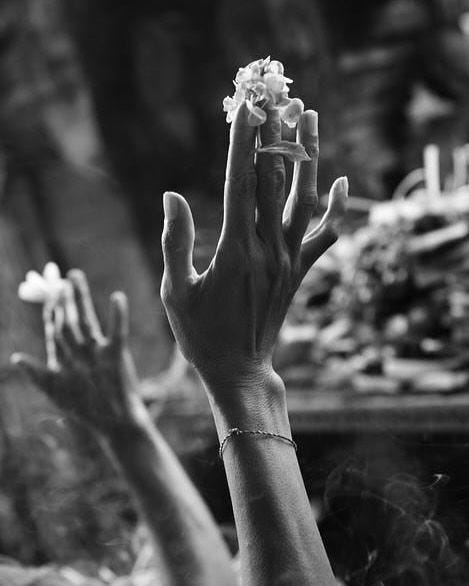
Indian Hinduism: The OG Textbook
Classical Indian Hinduism is defined by:
Holy texts: Vedas, Upanishads, Bhagavad Gita, Ramayana, Mahabharata, Puranas. These texts guide philosophy, ethics, ritual, and festivals.
Deities & cosmology: Brahma, Vishnu, Shiva, avatars, devas, and asuras, embedded in a sophisticated cosmic hierarchy.
Rituals & goals: Samskaras, puja, and yajna aimed at dharma (righteousness), karma (action), and moksha (liberation).
Festivals & social order: Diwali, Holi, Navaratri, caste hierarchies, all tied to textual authority.
Indian Hinduism is inclusive, philosophically rigorous, and obsessed with moral and cosmic order. Every festival, ritual, and myth has a textual or philosophical rationale. In short: structured, codified, and slightly terrifying in its seriousness.
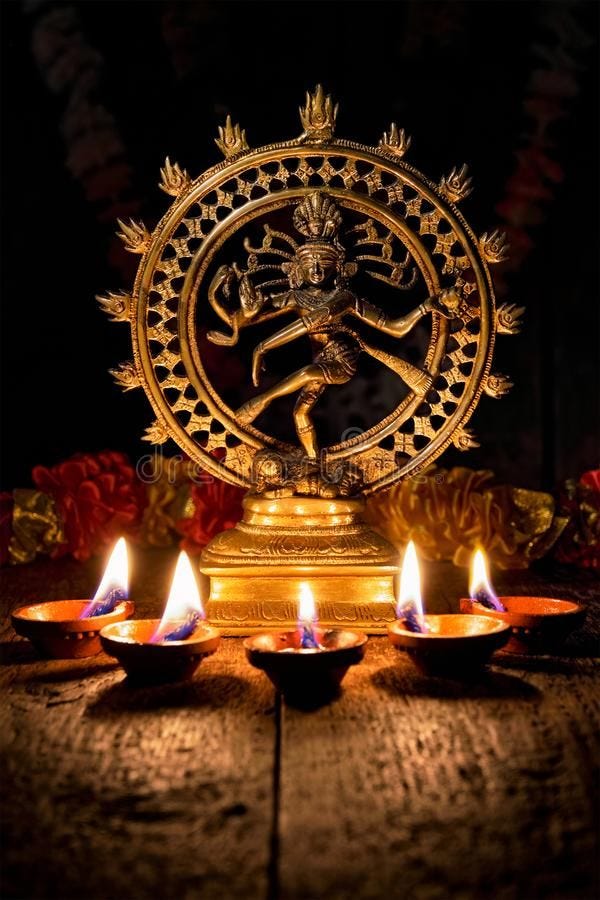
Balinese Hinduism The Creative Remix
Balinese Hinduism, officially Agama Hindu Dharma, is Indian Hinduism in a Balinese costume, but with dramatic local alterations.
Texts: Sanskrit chants survive, but most rituals are guided by lontar manuscripts, palm-leaf ritual manuals containing myths, genealogies, and ceremonial instructions. Indian philosophy is secondary.
Deities: Shiva, Vishnu, and Brahma exist, but the spotlight often goes to local spirits, ancestor gods, and demons. Shiva is a life-giver, Vishnu is less philosophical, and Barong & Rangda dramatize cosmic battles.
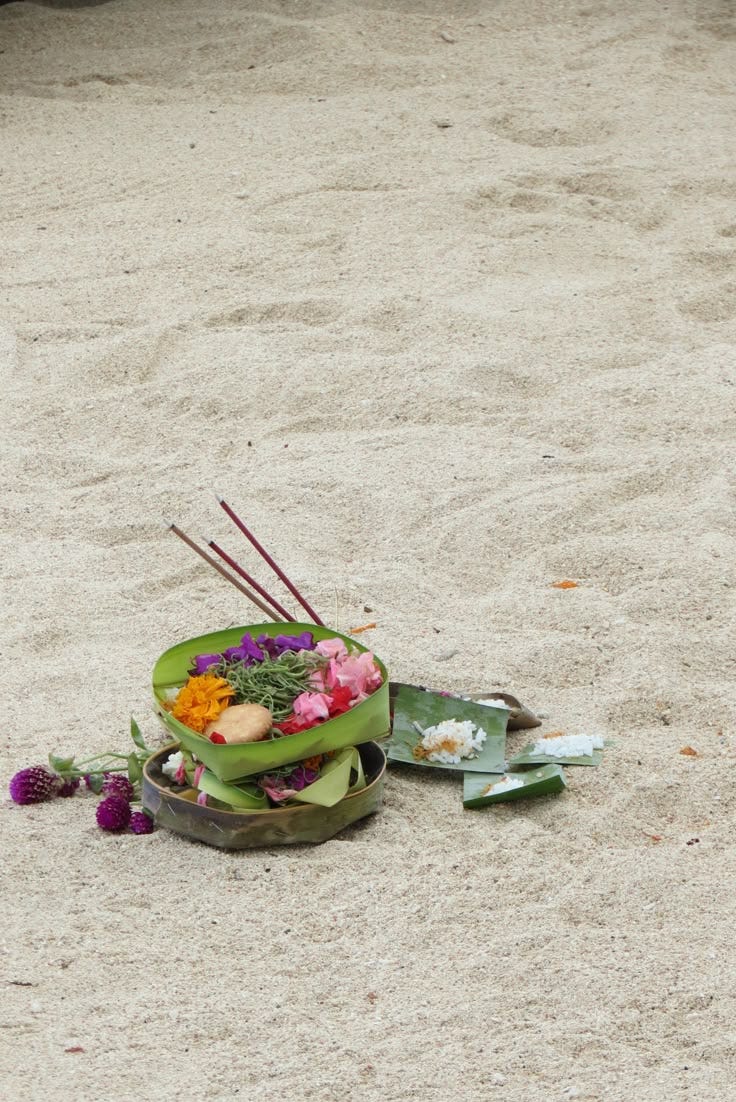
Rituals & festivals: Daily offerings (canang sari), cremation festivals (Ngaben), water purification (Tirta), Nyepi (Day of Silence), and Ogoh-Ogoh parades, most have no Indian precedent. Nyepi, for instance, shuts down an entire island for 24 hours.
Social & philosophical structure: Caste exists in name but is mostly symbolic; philosophy is replaced by ritual harmony and community cohesion.
Balinese Hinduism is ritual-heavy, festival-obsessed, and fantastically creative, turning Hinduism into a practical, everyday religion deeply tied to spirits, ancestors, and agriculture.
Toraja “Hinduism” The Legal Costume Party
Toraja’s version of Hinduism is even more remarkable because it’s mostly a bureaucratic label.
Texts: Essentially none. Practices are oral, ancestral, and practical. Sanskrit labels may appear, but only to satisfy Indonesian legal requirements.
Deities: Mostly ancestors, spirits, and a supreme local spirit (Puang). Indian gods exist only in name.
Rituals: Elaborate funerals (Rambu Solo’), buffalo sacrifices, and ancestor appeasement. Festivals are community-focused, not derived from Indian Hindu epics.
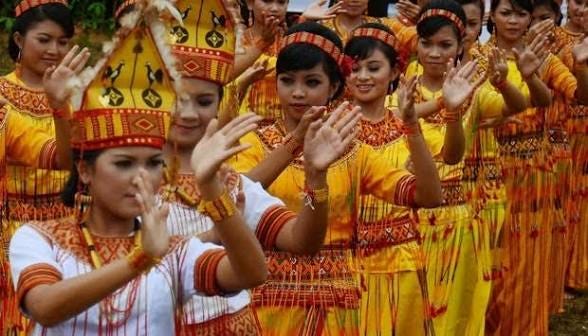
Purpose: Maintain social and cosmic harmony, respect ancestors, appease spirits. Texts and philosophy are optional.
Toraja “Hinduism” is practical, oral, and animist, with Indian Hinduism reduced to a legal costume. Epics, and deities are mostly irrelevant.
The pattern is clear: texts, philosophy, and mythology shrink as we move from India to Bali and Toraja, while ritual, spectacle, and local imagination expand.
Why Did Hinduism Morph This Way in Indonesia?
Several factors explain this creative chaos:
Historical trade & selective adoption: Indian Hinduism arrived via traders and merchants, not colonial administrators or priests. Indonesians adopted the parts they liked, rituals, deities, festivals, but didn’t have to buy the heavy philosophical baggage.
Integration with local animism: Both Bali and Toraja had pre-existing ancestor worship and spirit traditions. Hinduism provided a useful label and some terminology, but the spiritual heart remained indigenous.
Practicality & social cohesion: Festivals, cremations, and water rituals became community-centered events, regulating agriculture, labor, and social hierarchy. Religion was functional, not abstract.
Colonial and modern bureaucratic pressures: In Toraja, calling a belief system “Hinduism” was often legal theater to comply with Indonesian laws recognizing official religions. Sanskrit labels were sometimes cosmetic, just enough to get official status.
Geography & isolation: Bali’s island culture encouraged festival spectacle, local creativity, and ritual innovation, because temples, villages, and rice terraces all had to work together spiritually and practically.
It’s resulting a situation where the same “Hinduism” label refers to three wildly different systems, each adapted to local geography, culture, and politics. They are like twins who are relevant in India, mostly irrelevant in Bali, and legally invisible in Toraja.
Hinduism as a Flexible Canvas
In Indonesia, “Hinduism” is less a rigid religion and more a flexible cultural canvas:
Bali: Indian Hinduism + local imagination = festival-heavy, spirit-conscious lifestyle.
Toraja: Local animism + Hindu label = legal recognition, ritual continuity.
The lesson is labels like “Hinduism” don’t always map to texts, philosophy, or deities, they can be social, legal, and imaginative constructs. And in Indonesia, Hinduism proves itself highly adaptable, wildly creative, and occasionally hilarious.
So yes, Whenever Indian Hindus see another Hindus in Bali or Toraja: “OMG, WE ARE TWIIINNNNSSSSSS.”
Balinese and Toraja Hindus: “NO. Not really.”
It’s basically the same religion wearing three different cosplay outfits, and each version has its own flair, rules, and occasionally, its own absurdity.
How “Hindu” Became the Catch-All Label
Pre-colonial period (before 1600s):
Indonesia had a mosaic of local religions: ancestor worship, animism, and spirit rituals. Hinduism and Buddhism arrived from India around the 1st millennium CE, mainly in Java and Sumatra. These were elite religions linked to courts and kingdoms, but they blended heavily with local beliefs.
By the time Islam started spreading (13th–16th century), most Hindu-Buddhist practices were already deeply syncretized with local customs.
Dutch colonial period (1600s–1942):
Dutch were mainly interested in governance and taxation, not spiritual purity. They noticed local rituals, cremations, and temple festivals but didn’t classify them rigorously. Hinduism survived mostly in Bali, because the Majapahit kingdom collapsed there and the elite Balinese migrated, bringing their version of Hindu-Buddhist traditions.
Toraja and other animist groups were largely ignored; they were “tribal religions,” not worth the official label.
Early Indonesian independence (1945–1960s):
The new Indonesian government wanted national unity.
Constitution required citizens to adhere to a recognized religion for census, marriage, and legal purposes.
“Traditional” animist beliefs didn’t fit any official category. People practicing animism were effectively non-recognized citizens in the eyes of the state.
Suharto era (1967–1998) the bureaucratic miracle:
Suharto’s regime standardized religion to 5 official religions: Islam, Protestantism, Catholicism, Hinduism, and Buddhism.
Animist practices needed recognition to avoid social and legal marginalization.
Bali = easy. Already Hindu in some form, so “Agama Hindu Dharma” got legalized.
Toraja, Dayak, and other indigenous groups = problem. Their complex animism didn’t fit neatly.
Solution? Assign them to Hinduism (or sometimes Buddhism) on paper. Labeling was superficial: their rituals stayed the same, philosophy and texts were optional.
How they morphed :
Names survive, meaning transforms: Shiva is no longer a philosophical concept; he’s a protective force in Bali. In Toraja, the name might appear on a certificate but never in ritual.
Rituals dominate over philosophy: Indian Hinduism has philosophical texts; Balinese/Toraja Hinduism is about ceremony, appeasement, and social cohesion.
Ancestor worship = central: Both Balinese and Toraja practices center on spirits and ancestors, completely absent from classical Indian Hinduism’s ritual focus on dharma and moksha.
Caste = symbolic or bureaucratic: Bali keeps the names; Toraja adopts them for legal reasons; neither follows Indian rules strictly.
Texts = optional: Sanskrit chants may exist in Bali; none in Toraja. Philosophy is largely oral or local myth.
Also there is Tirta.
Tirta as a belief system
Core principle: Water is sacred and a medium to cleanse body, mind, and soul. Everything, temples, rice fields, village life, is tied to sacred water sources.
Practices:
Ritual sprinkling of holy water (melukat) for purification.
Offerings at rivers, springs, and lakes to appease local spirits.
Temple ceremonies where water symbolizes cosmic balance and blessings.
Cosmology: Balinese see water as a link between the spiritual, natural, and human realms. Maintaining it keeps harmony between gods, humans, and the environment.
Connection to Hinduism:
Sanskrit terms and some ceremonial forms are used.
Some gods (Shiva, Vishnu) are invoked during water rituals.
What’s purely local is the intense focus on water as the medium of spiritual life.
Ritualized integration with agriculture like rice terraces, irrigation, communal work, etc.

Ancestor and spirit appeasement through water, something completely absent in Indian Hinduism.
So, Tirta is essentially a Balinese syncretic system: it’s framed in Hindu language, but the theology, cosmology, and ritual focus are uniquely Balinese. Some scholars even see it as its own subsystem within Balinese Hinduism, or as a bridge between Hindu labels and indigenous animist beliefs.
Honestly, if you think about it, Bali is running multiple “mini-religions” under the Hindu umbrella, Agama Hindu Dharma, Tirta, and ancestor worship all coexist, overlap, and sometimes contradict, but again, they work socially and ritually.
Modern Indonesia:
Bali = syncretic ritual-heavy Hinduism. Recognized legally, globally famous.
Toraja = still practicing ancestor and spirit worship, now officially “Hindu” to comply with law.
Other animist groups? Sometimes Buddhism or Hinduism is used as a legal sticker for convenience.
“Hinduism” in Indonesia often isn’t Hinduism at all, it’s a bureaucratic tag for local polytheism and animism, wrapped in Indian names to satisfy law and census. It’s paganism with a government-approved label. But they work socially and ritually.
If an Indian pundit would look at it like… “Wait, that’s not in the Vedas.” Just nod and smile,
Honestly, from a sociological perspective, it’s brilliant in its absurdity: the state just needed a checkbox, and Indian Hinduism’s name was flexible enough to stick
This is one of those articles that makes you rethink a word you thought you understood. Thanks for the good work, very interesting.
oh how happy it makes me, you have no idea. You know the happiness that comes from within, the happiness that surges and reaches the lips and makes you whistle.
Also, isn't that the beauty of this religion, anybody can practice it and as they seem fit. So liberal, so vast, so full of acceptance, so synced with science, even the months names and fasting rituals and not rigid on do's and don'ts.
Oh to hear that it flourishes there even though in locally adjusted ways but I am sure one day they will realize it is all but a play and we are here to play our part and get out of this rat race. The best thing about this religion is you can question it, you can choose to practice what things you like and leave certain practices if they are not aligned with time and / or geography but the core always remains same:
Liberation from sufferings and wishes or anything which will bring you around again in this cosmic cycle of creation and destruction.
Om Shanti!